How To Repair Scratches On Car
Scratches on cars are a common problem, and there are a number of different ways to repair them. The best method will depend on the severity of the scratch and the type of paint finish on your car.
Minor scratches can often be buffed out using a rubbing compound and a soft cloth. For deeper scratches, you may need to use a scratch repair kit, which includes a primer, paint, and a clear coat. In some cases, you may need to have the car repainted by a professional.
It is important to repair scratches on your car as soon as possible to prevent them from rusting. Rust can spread quickly and cause significant damage to your car's bodywork. By repairing scratches promptly, you can help to keep your car looking its best and protect it from further damage.
How to Repair Scratches on Car
Scratches on cars are a common problem, and there are a number of different ways to repair them. The best method will depend on the severity of the scratch and the type of paint finish on your car. Here are six key aspects to consider when repairing scratches on your car:
- Assessment: Determine the severity of the scratch and the type of paint finish on your car.
- Materials: Gather the necessary materials, such as a rubbing compound, scratch repair kit, or touch-up paint.
- Preparation: Clean and prepare the area around the scratch.
- Repair: Apply the rubbing compound, scratch repair kit, or touch-up paint according to the manufacturer's instructions.
- Protection: Apply a clear coat or wax to protect the repaired area from further damage.
- Prevention: Wash and wax your car regularly to help prevent scratches from occurring in the future.
By following these steps, you can repair scratches on your car and restore its appearance. It is important to note that for deep scratches or scratches on certain types of paint finishes, it may be necessary to have the car repainted by a professional.
Assessment
Assessing the severity of the scratch and the type of paint finish on your car is a crucial step in the repair process. The severity of the scratch will determine the repair method, and the type of paint finish will determine the materials and techniques that are used.
For example, if the scratch is only in the clear coat, it may be possible to buff it out using a rubbing compound. However, if the scratch has penetrated the paint, you will need to use a scratch repair kit or have the car repainted.
It is also important to determine the type of paint finish on your car, as this will affect the repair process. For example, if your car has a single-stage paint finish, you can use a touch-up paint to repair the scratch. However, if your car has a two-stage paint finish, you will need to use a base coat and a clear coat to repair the scratch.
By assessing the severity of the scratch and the type of paint finish on your car, you can ensure that you use the correct repair method and materials. This will help you to achieve a professional-looking repair that will last.
Materials
The materials used to repair scratches on a car will vary depending on the severity of the scratch and the type of paint finish. For minor scratches, a rubbing compound may be sufficient to remove the scratch. For deeper scratches, a scratch repair kit or touch-up paint may be necessary.
- Rubbing compound:A rubbing compound is a mild abrasive that can be used to remove light scratches and scuffs from car paint. Rubbing compounds are typically applied by hand using a soft cloth.
- Scratch repair kit:A scratch repair kit typically includes a primer, paint, and a clear coat. Scratch repair kits are designed to repair deeper scratches that have penetrated the paint.
- Touch-up paint:Touch-up paint is a small bottle of paint that is matched to the color of your car. Touch-up paint can be used to repair small chips and scratches in car paint.
It is important to choose the right materials for the job. If you are not sure which materials to use, you can consult with a professional car detailer or body shop.
Preparation
Preparing the area around the scratch is an essential step in the repair process. By removing dirt, debris, and any contaminants, you can ensure that the repair materials adhere properly and that the finished repair is smooth and seamless.
- Cleaning the area: Use a mild soap and water solution to clean the area around the scratch. Be sure to remove all dirt, debris, and any other contaminants.
- Drying the area: After cleaning the area, dry it thoroughly with a clean, soft cloth. Make sure the area is completely dry before proceeding with the repair.
- Masking off the area (optional): If you are concerned about damaging the surrounding paint, you can mask off the area around the scratch using masking tape. This will help to protect the surrounding paint from any chemicals or abrasives that you use during the repair process.
By following these simple steps, you can prepare the area around the scratch and ensure that the repair is successful.
Repair
The repair stage is a crucial step in the process of repairing scratches on a car. The specific method used will depend on the severity of the scratch and the type of paint finish on the car. There are three main types of repair methods: rubbing compound, scratch repair kit, and touch-up paint.
Rubbing compound is a mild abrasive that can be used to remove light scratches and scuffs from car paint. It is typically applied by hand using a soft cloth. Scratch repair kits are designed to repair deeper scratches that have penetrated the paint. They typically include a primer, paint, and a clear coat. Touch-up paint is a small bottle of paint that is matched to the color of your car. It can be used to repair small chips and scratches in car paint.
It is important to follow the manufacturer's instructions carefully when applying any of these repair methods. If the instructions are not followed correctly, the repair may not be successful and could even damage the paint on your car.
By following the manufacturer's instructions and using the correct repair method, you can repair scratches on your car and restore its appearance.
Protection
Applying a clear coat or wax to the repaired area is a crucial step in the process of repairing scratches on a car. This step helps to protect the repaired area from further damage and ensures that the repair lasts for a long time.
- Protection from the elements: Clear coats and waxes provide a protective layer that shields the repaired area from the sun's UV rays, rain, snow, and other environmental elements. This protection helps to prevent the repaired area from fading, oxidizing, or rusting.
- Improved durability: Clear coats and waxes make the repaired area more durable and resistant to wear and tear. This is important because the repaired area is often more susceptible to damage than the rest of the car's paint.
- Enhanced appearance: Clear coats and waxes can help to improve the appearance of the repaired area by making it blend in with the rest of the car's paint. This is especially important if the scratch was deep and required extensive repairs.
By applying a clear coat or wax to the repaired area, you can help to protect your car's paint from further damage and ensure that the repair lasts for a long time.
Prevention
Preventing scratches on your car is an important part of keeping it looking its best. Washing and waxing your car regularly can help to protect the paint from scratches and other damage.
Dirt and debris can act as abrasives, scratching the paint on your car. Washing your car regularly can help to remove these contaminants and prevent them from scratching the paint. Waxing your car can also help to protect the paint from scratches by creating a barrier between the paint and the environment.
In addition to preventing scratches, washing and waxing your car can also help to protect the paint from other damage, such as fading and oxidation. Washing your car regularly can help to remove dirt and debris that can fade the paint, and waxing your car can help to protect the paint from the sun's UV rays.
By washing and waxing your car regularly, you can help to keep it looking its best and protect it from damage.
FAQs
This section provides answers to frequently asked questions about repairing scratches on cars.
Question 1: Can I repair scratches on my car myself?
Answer: Yes, it is possible to repair minor scratches on your car yourself. However, for deeper scratches, it is recommended to consult with a professional.
Question 2: What is the best way to repair a scratch on my car?
Answer: The best way to repair a scratch on your car depends on the severity of the scratch. Minor scratches can be buffed out using a rubbing compound, while deeper scratches may require a scratch repair kit or touch-up paint.
Question 3: How can I prevent scratches on my car?
Answer: There are a number of ways to prevent scratches on your car, such as washing and waxing your car regularly, avoiding parking under trees, and being careful when driving in tight spaces.
Question 4: How much does it cost to repair a scratch on my car?
Answer: The cost of repairing a scratch on your car will vary depending on the severity of the scratch and the method of repair. Minor scratches can be repaired for a few dollars, while deeper scratches may cost hundreds of dollars to repair.
Question 5: Can I use toothpaste to repair scratches on my car?
Answer: No, it is not recommended to use toothpaste to repair scratches on your car. Toothpaste is abrasive and can damage the paint on your car.
Question 6: How long does it take to repair a scratch on my car?
Answer: The time it takes to repair a scratch on your car will vary depending on the severity of the scratch and the method of repair. Minor scratches can be repaired in a few minutes, while deeper scratches may take several hours or even days to repair.
By understanding the answers to these frequently asked questions, you can make informed decisions about how to repair scratches on your car and protect your car's finish.
Tips for Repairing Scratches on Car
Scratches on cars are a common problem, but they can be repaired to restore the car's appearance and protect it from further damage. Here are five tips for repairing scratches on your car:
Tip 1: Assess the Severity of the Scratch
Before repairing a scratch, it is important to assess its severity. Minor scratches can often be buffed out with a rubbing compound, while deeper scratches may require a scratch repair kit or touch-up paint.
Tip 2: Choose the Right Repair Method
The best repair method for a scratch will depend on its severity. Minor scratches can be buffed out with a rubbing compound, while deeper scratches may require a scratch repair kit or touch-up paint.
Tip 3: Prepare the Area Around the Scratch
Before repairing a scratch, it is important to prepare the area around the scratch. This involves cleaning the area with a mild soap and water solution and drying it thoroughly.
Tip 4: Apply the Repair Materials
Once the area around the scratch has been prepared, the repair materials can be applied. Rubbing compound can be applied by hand using a soft cloth. Scratch repair kits typically include a primer, paint, and a clear coat. Touch-up paint can be applied using a small brush or a cotton swab.
Tip 5: Protect the Repaired Area
After the scratch has been repaired, it is important to protect the repaired area from further damage. This can be done by applying a clear coat or wax to the repaired area.
By following these tips, you can repair scratches on your car and restore its appearance.
Conclusion
Scratches on cars are a common problem, but they can be repaired to restore the car's appearance and protect it from further damage. By understanding the severity of the scratch, choosing the right repair method, and following the proper steps, you can repair scratches on your car and restore its finish.
Taking care of your car's paint is an important part of maintaining its value and appearance. By following the tips outlined in this article, you can help to keep your car looking its best for years to come.
Youtube Video:
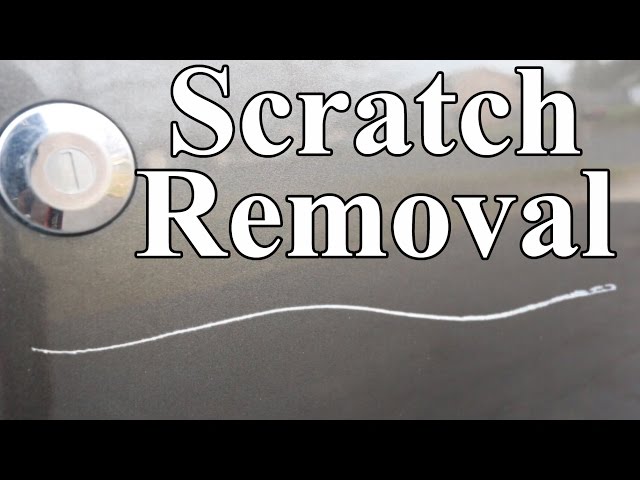
Posting Komentar untuk "How To Repair Scratches On Car"