How to Spot High-Quality Pants When Shopping
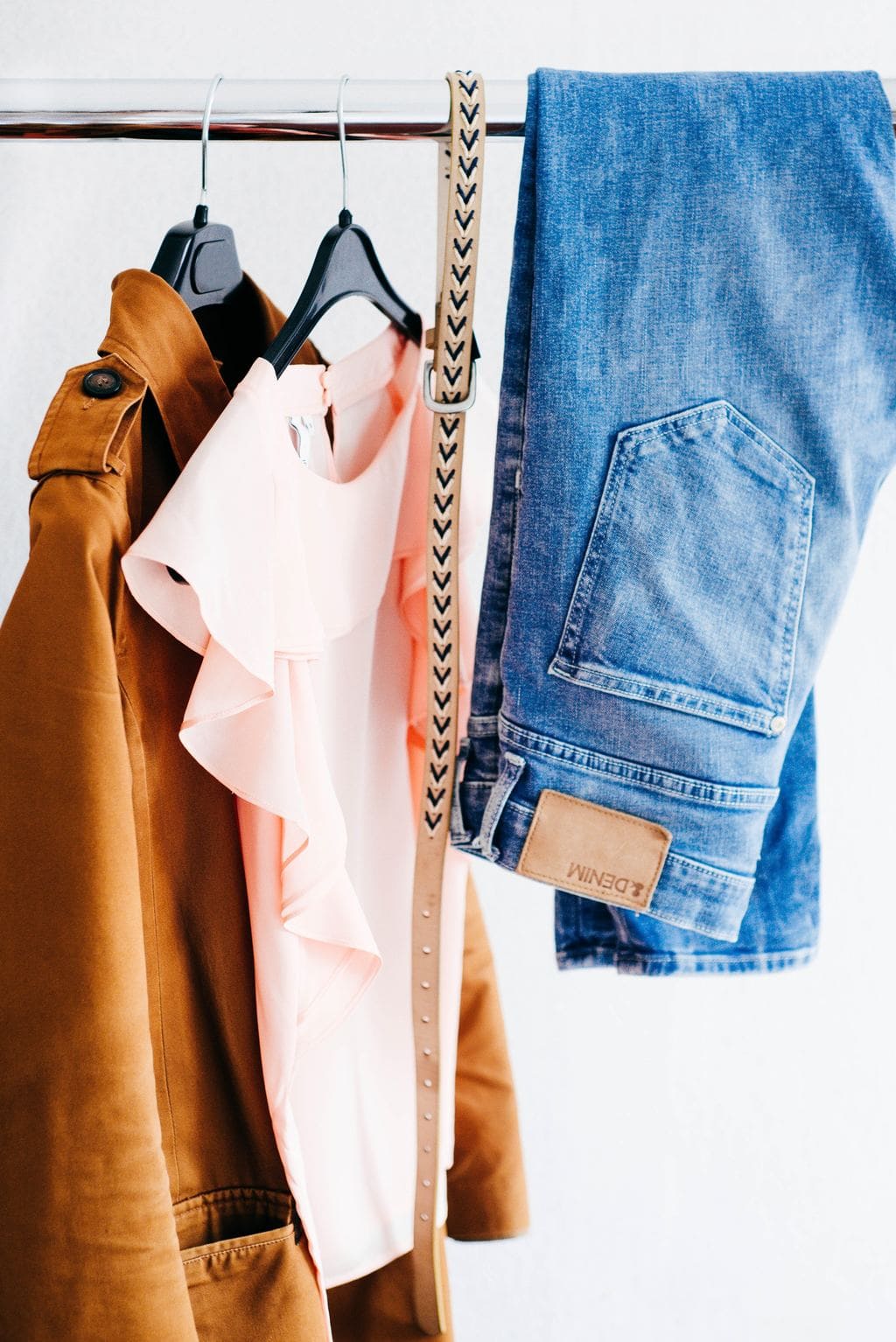
Ever wish you could justknowat a glance if a pair of pants is going to last, or if it’s destined for the donation bin after just a few wears?
We've all been there, right? Staring at rows of trousers, feeling the fabrics, and still ending up with a pair that loses its shape after one wash, rips at the seams, or fades faster than your summer tan. It’s frustrating, wasteful, and frankly, a drain on your wallet.
That's why knowing how to identify durable, well-made pants is a game-changer. It means investing in pieces that not only look good but also stand the test of time, saving you money and reducing textile waste. It’s about being a savvy shopper and curating a wardrobe you truly love.
By the end of this guide, you'll be armed with the knowledge to confidently assess the quality of pants before you even reach the checkout. No more guesswork, just confident choices that lead to a more sustainable and stylish wardrobe.
Finding Well-Made Pants: A Shopper's Guide
Okay, let's dive in! Think of me as your experienced shopping buddy, ready to share all the secrets I've learned over the years. We’re going to cover everything from fabric to stitching to fit, so you can become a pro at picking out pants that are built to last.
Why does the fabric choice matter so much?
The fabric is the foundation of any good pair of pants. It dictates not only the way they look and feel but also their durability and how well they hold up over time. Think of it like building a house – you need a solid base!
Natural Fibers: Materials like cotton, linen, wool, and silk are known for their breathability and comfort. Look for high-quality versions of these. For example, long-staple cotton (like Egyptian or Pima) is much stronger and softer than regular cotton. Wool, especially merino, is incredibly durable and wrinkle-resistant. Linen, while prone to wrinkling, gets softer and more comfortable with each wash.
Synthetic Fibers: Polyester, rayon, and nylon can be less expensive and often offer benefits like wrinkle resistance and stretch. However, they're not always the most breathable or environmentally friendly. If you're opting for synthetics, pay attention to the blend. A small percentage of spandex or elastane can add great stretch and recovery, preventing the pants from bagging out.
Fabric Weight: The weight of the fabric (measured in ounces per square yard) can also give you clues about quality. Heavier fabrics tend to be more durable, while lighter fabrics are better for warmer weather. For example, a heavier denim will be more robust than a lightweight chambray.
Pro Tip: Give the fabric a good scrunch in your hand. Does it wrinkle easily? How quickly does it recover? This simple test can tell you a lot about its resilience. Also, check the label for fiber content and origin.
What should I look for in the stitching and construction?
Now, let’s talk about the nitty-gritty details that separate a well-made pair of pants from a cheaply constructed one. Good stitching and solid construction are crucial for longevity.
Stitch Density: Examine the stitches closely. Are they tight and even, or loose and irregular? Higher stitch density generally indicates better quality. Loose stitching is a sign that the pants are likely to fall apart sooner rather than later.
Reinforcements: Pay attention to areas that are prone to wear and tear, such as the crotch, pockets, and belt loops. These areas should be reinforced with extra stitching or bar tacks (small, dense stitches that provide added strength).
Seam Finishes: Look for finished seams, such as serged (overlocked) or bound seams. These prevent the fabric from fraying and unraveling. Raw edges that are left unfinished are a sign of cost-cutting and poor construction.
Zippers and Buttons: Don't overlook the hardware! Choose pants with quality zippers (YKK is a good brand to look for) and sturdy buttons that are securely attached. Give the zipper a few test runs to make sure it glides smoothly.
Real-Life Example: I once bought a pair of seemingly nice dress pants online, only to have the zipper break on thefirstwear. Lesson learned – always check the zipper!
How does the fit impact the quality and longevity of pants?
Believe it or not, the fit of your pants can also influence their lifespan. Pants that fit poorly are more likely to experience stress and strain in certain areas, leading to premature wear and tear.
Proper Fit: Make sure the pants fit comfortably without being too tight or too loose. Too-tight pants can put stress on the seams and fabric, while too-loose pants can cause excessive rubbing and wear.
Movement and Comfort: Can you move freely in the pants? Do they allow you to sit, stand, and walk without feeling restricted? If not, they're likely to wear out faster.
Fabric Stretch (if applicable): If the pants have stretch, make sure the fabric recovers well after being stretched. Pants that bag out at the knees or seat are a sign of poor elasticity.
Personal Anecdote: I used to buy pants that were slightly too small because I liked the way they looked. But I quickly realized that they were wearing out much faster than my properly fitting pants. Comfort and longevity go hand in hand!
What about the details? Do they really matter?
Yes! The small details can often be telltale signs of quality craftsmanship. They show that the manufacturer paid attention to detail and took pride in their work.
Lining: Fully lined pants are generally a sign of higher quality. The lining adds structure, prevents wrinkles, and protects the outer fabric from wear.
Pockets: Are the pockets deep enough to be functional? Are they securely attached? Check the pocket linings for durability.
Pattern Matching: If the pants have a pattern, look for pattern matching at the seams. This is a sign of meticulous attention to detail.
Hardware: Are the buttons and zippers high quality and securely attached? Do they feel sturdy and well-made?
Budget-Friendly Tip: You don’t always have to spend a fortune to get quality. Keep an eye out for sales and discounts on brands that are known for their craftsmanship. Outlet stores can be a great resource for finding well-made pants at a lower price.
How can I improve the lifespan of my pants through care?
Okay, you've found the perfect, well-made pair of pants. Now, how do you keep them looking their best for years to come? Proper care is essential!
Read the Label: Always follow the care instructions on the label. This will help you avoid shrinking, fading, or damaging the fabric.
Washing: Wash your pants inside out to prevent fading. Use a gentle detergent and avoid harsh chemicals like bleach.
Drying: Avoid putting your pants in the dryer, especially if they're made of natural fibers. Hang them to dry instead. This will help them retain their shape and prevent shrinkage.
Ironing: Iron your pants inside out on a low to medium setting. Use a pressing cloth to protect the fabric from scorching.
Storage: Store your pants properly to prevent wrinkles and damage. Hang them on padded hangers or fold them neatly in a drawer.
Professional Cleaning: For delicate fabrics or heavily soiled pants, consider taking them to a professional dry cleaner.
Sustainable Tip: Wash your pants less frequently to extend their lifespan and reduce water consumption. Spot clean stains as needed and air them out between wears.
Armed with this knowledge, you're ready to confidently navigate the world of pants shopping and invest in pieces that will last. Remember to focus on fabric quality, construction details, fit, and proper care. By paying attention to these factors, you can build a wardrobe of durable, stylish pants that you'll love for years to come. Go forth and shop smarter!
Posting Komentar untuk "How to Spot High-Quality Pants When Shopping"