The Role of Arch Support in Long-Term Foot Health
Ever wonder why your feet ache after a long day, even if you weren't exactly running a marathon?
It's happened to the best of us: that nagging foot pain that starts as a dull throb and escalates into a full-blown agony, making you question every shoe choice you've ever made and contemplate living life barefoot (impractical, I know!). This discomfort can sometimes be traced back to how well your feet are being supported, or perhapsnotsupported.
Understanding the impact of proper foot support, specifically for your arches, is essential for maintaining healthy, happy feet throughout your life. Think of it as preventative maintenance for your entire body, starting from the ground up.
By investing in good foot care, you're not just preventing future pain; you're enhancing your overall well-being. You'll be equipped with the knowledge to make informed decisions about footwear and proactively care for your feet, leading to increased comfort and mobility for years to come.
Understanding the Importance of Arch Support for Foot Well-being
Okay, let’s talk about your feet! We often take them for granted, stuffing them into shoes and expecting them to carry us through life without a peep. But our feet are complex structures, and the arches are a key component of their intricate design. Think of your arches as the suspension system for your body. When that suspension is off, everything else suffers.
So, what’s the big deal about arches anyway? They act as shock absorbers, distributing your body weight evenly across your foot. They also help you adapt to different surfaces and propel you forward when you walk or run. Without proper support, those arches can collapse, leading to a whole host of problems.
What happens when your arches aren't properly supported?
Imagine building a house without a solid foundation. It wouldn't last very long, right? Similarly, without adequate arch support, the structures within your feet (bones, ligaments, tendons, and muscles) are strained, and it can lead to: Plantar Fasciitis: This is probably the most common foot ailment, and it involves inflammation of the plantar fascia, the thick band of tissue that runs along the bottom of your foot. The pain is often worst in the morning. Heel Spurs: These bony growths on the heel bone can develop as a result of long-term strain on the plantar fascia. Flat Feet (Pes Planus): While some people are born with flat feet, others develop them over time due to weakened arches. This can cause pain in the feet, ankles, knees, and even the back. Overpronation: This happens when your foot rolls inward excessively when you walk, putting extra stress on your ankles, knees, and hips. Metatarsalgia: Pain and inflammation in the ball of your foot. It can feel like you’re walking on pebbles. Bunions and Hammertoes: While these deformities have other contributing factors, improper foot support can worsen their progression. Ankle, Knee, and Back Pain:Because the body is interconnected, problems in your feet can affect your entire musculoskeletal system. Poor foot support can lead to altered gait, causing stress on the ankles, knees, hips, and back.
These aren't just minor inconveniences! They can seriously impact your ability to enjoy everyday activities and can even lead to chronic pain.
Who is most at risk for problems from inadequate foot arch support?
While anyone can experience foot problems related to insufficient arch support, some groups are more vulnerable: Athletes: High-impact activities like running and jumping put tremendous stress on the feet. Athletes need adequate support to prevent injuries. People who stand for long periods: Nurses, teachers, retail workers, and anyone who spends a lot of time on their feet is at increased risk. Overweight or obese individuals: Excess weight puts additional strain on the arches. Pregnant women: Hormonal changes during pregnancy can relax ligaments, making the arches more susceptible to collapsing. People with certain medical conditions: Diabetes, arthritis, and other conditions can affect the health of the feet. Older adults: As we age, the tissues in our feet lose elasticity, and the arches can weaken.
How can arch support improve your foot health and overall well-being?
The good news is that many foot problems can be prevented or alleviated with proper arch support. Here's how it helps: Provides Stability: Support stabilizes the foot and ankle, reducing excessive pronation or supination. Distributes Weight Evenly: Proper support ensures that your weight is distributed evenly across your foot, reducing pressure on specific areas. Absorbs Shock: Support helps absorb impact, protecting your joints from stress. Reduces Pain: By supporting the arches and correcting biomechanical imbalances, arch support can alleviate pain in the feet, ankles, knees, and back. Improves Posture:Proper foot alignment can improve your overall posture.
What types of arch support are available?
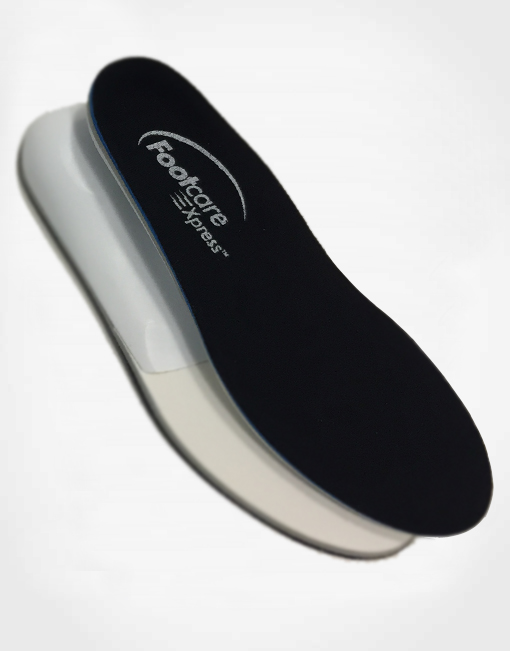
You have several options when it comes to providing your feet with the support they need: Over-the-counter (OTC) arch supports: These are readily available at drugstores and sporting goods stores. They come in various shapes and sizes and can be a good option for people with mild to moderate arch support needs. Custom orthotics: These are custom-made inserts that are prescribed by a podiatrist or other healthcare professional. They are more expensive than OTC supports but can provide more personalized support and correction for specific foot problems. Supportive footwear: Many shoes are designed with built-in arch support. Look for shoes with a firm midsole and a contoured footbed. Arch Support Sleeves: A more recent entry into the market, these sleeves provide compression and targeted support.
How do I choose the right kind of arch support?
Choosing the right arch support depends on your individual needs and the severity of your foot problems. Here are some tips: Consider your arch height: Do you have high arches, low arches, or flat feet? This will help you determine the type of support you need. Think about your activity level: If you're an athlete, you'll need a more supportive option than someone who spends most of their time sitting. Evaluate your shoe type: Different shoes require different types of arch support. For example, you'll need a thinner support for dress shoes than for athletic shoes. Consult a professional: If you're experiencing significant foot pain or have concerns about your arch support, it's best to see a podiatrist or other healthcare professional. They can evaluate your feet, diagnose any underlying problems, and recommend the appropriate treatment, including custom orthotics if necessary.
Beyond arch support: Taking care of your feet.
While arch support is crucial, it's just one piece of the puzzle. Here are some other things you can do to keep your feet healthy: Wear properly fitting shoes: Ill-fitting shoes can cause all sorts of foot problems. Make sure your shoes are the right size and width, and that they provide adequate cushioning and support. Stretch your feet regularly: Stretching can help improve flexibility and prevent injuries. Strengthen your feet muscles: Strengthening exercises can help improve arch support and stability. Maintain a healthy weight: Excess weight puts extra stress on your feet. Inspect your feet regularly: Check your feet for any signs of problems, such as blisters, calluses, or sores. Keep your feet clean and dry: This will help prevent fungal infections. Moisturize your feet regularly: This will help prevent dry, cracked skin. Avoid wearing high heels for extended periods: High heels put excessive stress on the balls of your feet. Give your feet a break:After a long day on your feet, elevate them and give them a massage.
Investing in the proper foundation for your body, from your feet upwards, makes a profound difference in your comfort, mobility, and overall well-being. Don’t underestimate the impact that supportive choices can have on your daily life!
So, take a moment to think about your feet. Are they getting the support they need? A little attention to this often-overlooked part of your body can go a long way toward keeping you active and pain-free for years to come. Maybe it’s time for new supportive inserts, or even just a conscious effort to choose better footwear. Your feet will thank you!
Posting Komentar untuk "The Role of Arch Support in Long-Term Foot Health"