Understanding Waterproofing Technology in Modern Shoes
Ever felt the distinct displeasure of squishing sounds following you around all day?
Imagine this: You're miles into a hike, the weather unexpectedly turns, and suddenly, your "waterproof" shoes are anything but. Your socks are soaked, your feet are freezing, and every step feels like a betrayal. You curse the misleading marketing and wish you'd understood shoe construction better.
This guide will navigate the often-murky waters of shoe waterproofing. We'll explore the tech, decipher the jargon, and help you choose the right footwear to keep your feet dry and happy, no matter the conditions.
By the end, you'll be able to confidently select shoes that truly protect you from the elements, saving you from discomfort and potential foot problems down the line.
Deconstructing Durable Water Repellency in Footwear
Okay, let's dive in. Waterproofing in shoes isn't just about slapping on a "waterproof" label. It's a complex interplay of materials, construction methods, and coatings. Think of it like building a house – you need a solid foundation, walls that withstand the elements, and a roof that keeps the rain out.
What materials make a shoe waterproof?
When it comes to making a shoe truly resistant to water, several key materials often come into play. Let's break them down: Waterproof Membranes:These are the unsung heroes. Think of them as a very thin, highly specialized layer sandwiched within the shoe's upper. Gore-Tex is the big name here, famous for its billions of microscopic pores that are small enough to block water droplets but large enough to allow water vapor (sweat) to escape. Other brands, like e Vent and proprietary options developed by shoe manufacturers, offer similar breathable waterproofing.
Leather: Leather, especially full-grain leather, has inherent water-resistant properties. The natural oils and tight grain structure repel water. However, leather needs treatment and conditioning to maintain its water resistance and prevent it from cracking.
Synthetic Materials: Some synthetic materials, like certain types of nylon and polyester, can be treated with water-repellent finishes. These are often used in combination with waterproof membranes to create a durable and water-resistant upper.
Waterproof Adhesives: It’s easy to overlook the glue, but adhesives play a critical role in sealing seams and bonding materials together. Waterproof adhesives prevent water from seeping in through these vulnerable areas.
Rubber: Rubber is often used in the outsole and rand (the strip that wraps around the base of the upper) to provide a waterproof barrier and protect the shoe from abrasion.
How is a waterproof shoe constructed?
Now, let's look at how these materials come together. The construction of a waterproof shoe is just as important as the materials themselves. Here are some key elements: Seam Sealing:This is absolutely vital. Even with a waterproof membrane, water can sneak in through the seams where the upper materials are stitched together. Seam sealing involves applying waterproof tape or sealant to these seams, creating a continuous barrier against water penetration.
Gusseted Tongue: A gusseted tongue is attached to the upper along its entire length, preventing water and debris from entering the shoe through the opening.
Waterproof Bootie Construction: In many waterproof shoes, the waterproof membrane is constructed as a "bootie" – a sock-like liner that completely surrounds the foot. This provides a 360-degree barrier against water.
Bonded Construction: Bonded construction techniques, where materials are glued rather than stitched, can also enhance waterproofing by minimizing seams.
What does "DWR" actually mean?
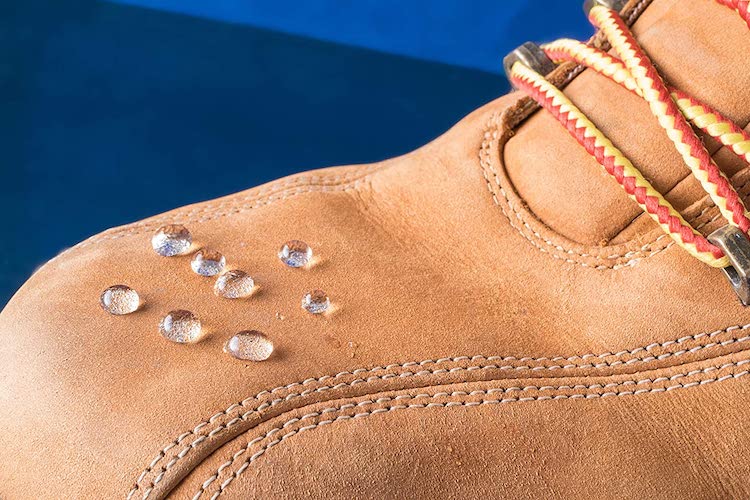
You've probably seen the acronym "DWR" thrown around a lot. It stands for Durable Water Repellent. DWR is a coating applied to the outer fabric of a shoe (or jacket, pants, etc.) to make water bead up and roll off instead of soaking in. It's like a force field for water droplets!
Think of it as the first line of defense against moisture. DWR doesn't make a shoewaterproofon its own, but it significantly enhances water resistance and prevents the outer fabric from becoming saturated. This helps the waterproof membrane underneath work more effectively and keeps your feet drier for longer.
The problem is, DWR coatings wear off over time with use and washing. Friction, dirt, and detergents all break down the coating. That's why it's important to reapply DWR treatments periodically to maintain the shoe's water repellency. You can find DWR sprays and washes specifically designed for outdoor gear.
How can I improve the water resistance of my current shoes?
So, what if you already have a pair of shoes that aren't fully waterproof, but you want to boost their water resistance? Here are some tips: Apply a DWR Treatment:This is the easiest and most effective way to improve water resistance. Clean your shoes according to the manufacturer's instructions, then apply a DWR spray evenly over the entire upper. Let it dry completely before wearing them.
Use a Leather Conditioner: If your shoes have leather components, regularly conditioning the leather will help maintain its natural water-resistant properties and prevent it from drying out and cracking.
Apply a Waterproofing Wax: For leather boots, consider using a waterproofing wax. This provides a more durable and longer-lasting barrier against water than DWR spray. Apply the wax evenly, paying attention to seams and edges. You can gently heat the wax with a hairdryer to help it penetrate the leather.
Seal the Seams: If you notice water leaking in through the seams of your shoes, you can try sealing them with a seam sealer designed for footwear. Follow the product instructions carefully.
Use Waterproof Socks: Even if your shoes aren't perfectly waterproof, wearing waterproof socks can provide an extra layer of protection and keep your feet dry in wet conditions.
What are the drawbacks of waterproofing?
It's important to be aware of the trade-offs involved with waterproof footwear. While waterproofing keeps water out, it can also reduce breathability. This means that moisture from sweat can get trapped inside the shoe, leading to clammy feet and discomfort, especially in warm weather.
Waterproof membranes like Gore-Tex do allow some breathability, but they're not as breathable as non-waterproof materials. This is why it's important to choose the right type of shoe for the conditions you'll be using it in.
In some cases, a non-waterproof shoe with good ventilation might be a better choice than a waterproof shoe that will leave your feet feeling sweaty and uncomfortable. Consider the climate, the intensity of your activity, and your personal preferences when making your decision.
Also, waterproof shoes can sometimes take longer to dry than non-waterproof shoes. If water does get inside, it can be trapped by the waterproof membrane, making it difficult to get the shoe completely dry.
How do I choose the right waterproof shoe for my needs?
Alright, so you're ready to buy some waterproof shoes. Here are some factors to consider: Activity: What activities will you be using the shoes for? Hiking, running, everyday wear? Different activities require different levels of waterproofing and support. Climate: What kind of weather conditions will you be encountering? If you live in a consistently wet climate, you'll need a more robust level of waterproofing than someone who only occasionally encounters rain. Breathability: How important is breathability to you? If you tend to sweat a lot or will be using the shoes in warm weather, prioritize breathability. Fit: As with any shoe, proper fit is essential. Make sure the shoes are comfortable and provide adequate support. Budget:Waterproof shoes can range in price from affordable to expensive. Set a budget and look for shoes that offer the best value for your money.
How to care for waterproof shoes?
Proper care will extend the life of your waterproof shoes and maintain their performance. Here are some tips: Clean your shoes regularly: Use a soft brush and mild soap to remove dirt and debris. Dry your shoes properly: Never put your shoes in a dryer or near direct heat, as this can damage the materials. Stuff them with newspaper or use a shoe dryer to help them dry more quickly. Reapply DWR treatments: As mentioned earlier, reapply DWR treatments periodically to maintain water repellency. Store your shoes properly: Store your shoes in a cool, dry place away from direct sunlight.
Waterproof footwear is a game-changer when you're facing wet conditions, but understanding the technology behind it is key to making the right choice and keeping your feet happy. Remember to consider your needs, prioritize proper fit and care, and don't be afraid to invest in quality footwear that will stand up to the elements. So, next time you're facing a downpour, you can step out with confidence, knowing your feet are protected. Think about the activities you love and how the right footwear can make them even better, allowing you to embrace any adventure, rain or shine.
Posting Komentar untuk "Understanding Waterproofing Technology in Modern Shoes"