Thermodynamic Comfort and Ergonomic Optimization: A Guide to Summer Footwear Selection
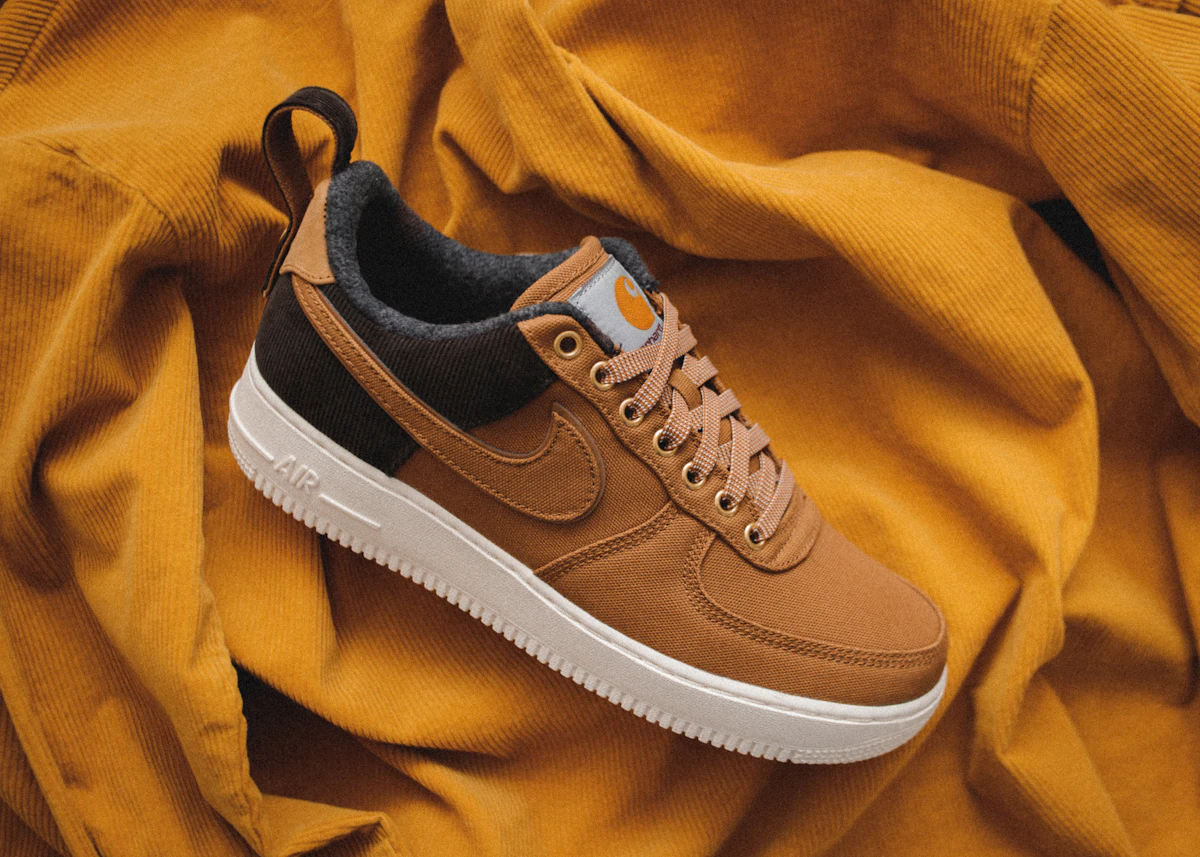
As ambient temperatures escalate during the 2026 summer season, the physiological demands on human footwear transition from thermal insulation to moisture vapor transmission and structural support. Choosing the appropriate footwear is not merely an aesthetic endeavor but a biological necessity to mitigate pedal edema, hyperhidrosis, and mechanical strain. This analysis explores the technical criteria for selecting footwear that facilitates optimal gait cycles and thermoregulation during high-temperature exposure.
Effective summer footwear must address the expansion of the foot's volume, which typically increases by approximately 5% due to heat-induced vasodilation. Furthermore, the selection must account for varying terrains—from high-friction urban asphalt to low-stability littoral environments. By applying biomechanical principles to your selection process, you can maintain orthopedic health while achieving sartorial excellence.
- Occasion-Specific Kinematics: Match shoe geometry to the intended activity—e.g., higher shore hardness outsoles for urban trekking versus hydrophobic polymers for aquatic use.
- Breathability Indices: Prioritize natural open-cell structures (leather, canvas) or engineered meshes to maximize airflow and minimize microbial proliferation.
- Ergonomic Support: Look for contoured footbeds and medial arch support to distribute $F = ma$ (force) more evenly across the plantar fascia.
- Material Durability: Select ultraviolet (UV) resistant materials and high-abrasion compounds to withstand the rigors of intense seasonal use.
- Volume Management: Purchase shoes in the late afternoon to account for the diurnal swelling of the feet in warm climates.
Technical Selection Framework
1. Activity-Based Occasion Analysis
Footwear design parameters vary significantly based on the intended environment. Casual coastal environments favor open-toe configurations such as sandals, which offer 100% ventilation. Conversely, semi-formal social gatherings require footwear like espadrilles or perforated loafers that maintain a professional aesthetic while facilitating heat dissipation. For high-impact activities such as hiking, shoes must incorporate reinforced toe caps and multi-directional lug patterns for traction.
2. Ergonomic Integrity and Cushioned Soles
Comfort is derived from the shoe's ability to absorb shock during the heel-strike phase of the gait. High-quality summer footwear utilizes Ethylene Vinyl Acetate (EVA) or polyurethane midsoles. These materials act as dampers, reducing the peak impact forces transmitted to the musculoskeletal system. A proper fit is essential; there should be approximately 10mm to 12mm of space between the longest toe and the shoe's internal terminus to accommodate thermal expansion.
3. Material Science: Breathability and Vapor Permeability
The primary challenge in summer footwear is the management of moisture. Materials such as top-grain leather and organic cotton canvas possess natural pores that allow for "passive cooling." For athletic contexts, synthetic meshes with a high Moisture Vapor Transmission Rate (MVTR) are preferred. These materials ensure that the internal microclimate of the shoe remains below the threshold for blistering and fungal growth.
4. Structural Stability and Arch Reinforcement
Prolonged ambulation on flat footwear (e.g., traditional flip-flops) can lead to plantar fasciitis. To maintain orthopedic health, select shoes with integrated shanks or contoured cork footbeds. These features provide a mechanical "arch" that supports the foot's natural structure under the load of gravity ($g \approx 9.8 \text{ m/s}^2$), preventing the collapse of the medial longitudinal arch.
5. Aquatic Engineering: Hydrophobic Materials
For activities involving water exposure, non-absorbent materials are mandatory. Neoprene and high-density rubbers are ideal as they prevent the shoe from gaining weight when submerged. Furthermore, water-friendly shoes should feature drainage ports to expel liquid rapidly, preventing the "slosh" effect that can lead to skin maceration and reduced friction.

Frequently Asked Questions
Why do my feet swell more in the summer?
This is caused by peripheral vasodilation, where blood vessels expand to dissipate heat. Gravity then pulls this increased fluid volume toward the feet, a condition known as heat edema. Properly fitted shoes with adjustable straps can mitigate this discomfort.
Is it better to wear socks with summer shoes?
In closed-toe shoes, moisture-wicking socks (merino wool or synthetic blends) are recommended. They act as a sacrificial layer to absorb sweat, reducing the friction between the skin and the shoe lining which prevents blisters.
How can I tell if a shoe has sufficient arch support?
Perform the "Torsion Test": Try to twist the shoe. If it twists easily in the middle, it lacks support. A supportive shoe should be rigid through the arch and flexible only at the toe box (metatarsophalangeal joints).
Posting Komentar untuk "Thermodynamic Comfort and Ergonomic Optimization: A Guide to Summer Footwear Selection"